With irritable bowel syndrome, a normal-looking test does not make abdominal pain, urgency, or bloating any less real.
What’s Happening Medically
IBS is a disorder of gut–brain interaction that can cause recurrent abdominal pain associated with changes in bowel movements. Some people have mainly constipation, others diarrhea, and others a mixture.
Gut sensitivity, motility, food triggers, and stress responses may all contribute. A clinician can help make the diagnosis and decide whether testing for other conditions is needed. Treatment may include targeted diet changes, medication, and gut-directed psychological therapies.
How TCM Interprets the Symptom Pattern
TCM might describe some IBS patterns as Liver Qi stagnation affecting the Spleen, Spleen Qi deficiency, or Dampness. Practitioners look at the balance of cramping, bowel urgency, bloating, appetite, and stress-related changes. These traditional categories should never be used to diagnose inflammatory bowel disease, celiac disease, or an infection.
How Acupuncture May Help
Acupuncture may be considered as a complementary way to address abdominal discomfort, tension, and overall well-being. It should be paired with a diagnosis-based plan for bowel habits, food triggers, and gut–brain symptoms. A simple symptom and stool diary helps identify meaningful changes.
How Your TCM Pattern Changes Your Treatment
Acupuncture often addresses the main symptoms, while the broader TCM pattern may change the selection of additional points and whether complementary therapies or Chinese herbs are considered. These are traditional treatment approaches rather than Western medical diagnoses.
Liver Qi Stagnation Affecting the Spleen — Stress-Linked Cramping
Treatment may combine abdominal or distal points selected for discomfort and stress-related symptoms. Herbal formulas, when appropriate, are chosen according to bowel habits and the broader TCM pattern, rather than IBS alone.
Spleen Qi Deficiency — Loose Stools with Fatigue
The practitioner may emphasize points traditionally used for digestive support and adjust recommendations according to how symptoms respond to meals and daily routine. Medical evaluation remains important when stools change persistently.
Damp or Heat Pattern — Urgency and Abdominal Discomfort
The selection of points or a possible herbal formula can differ from constipation-predominant IBS. Herbs require review for interactions, tolerability, and the actual medical diagnosis.
The Role of Chinese Herbal Medicine
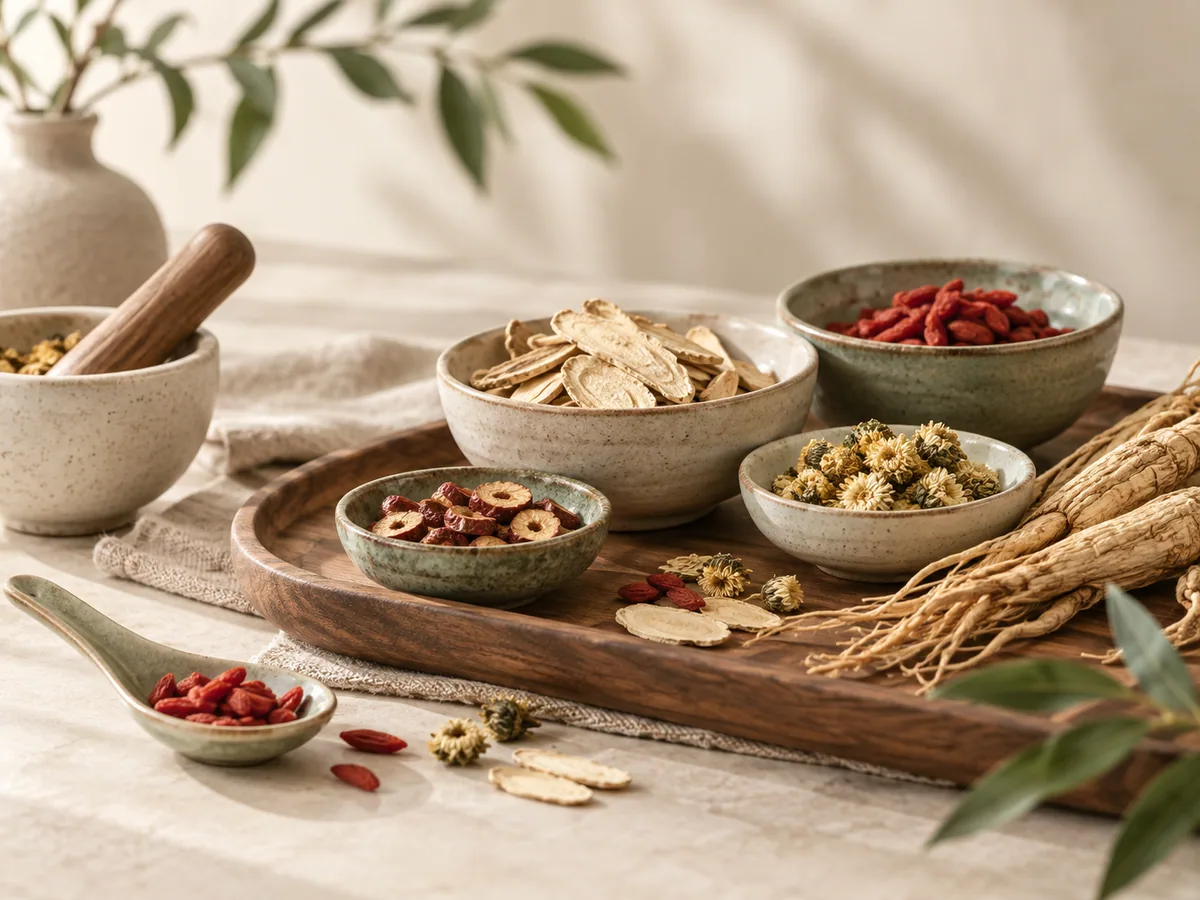
Acupuncture typically focuses on the presenting symptoms, while Chinese herbal formulas, when appropriate, are selected according to the broader TCM pattern, including sleep, digestion, fatigue, and other accompanying symptoms. Herbs are not necessary or suitable for everyone; medication, pregnancy, and cancer-treatment precautions take priority.
What to Expect at Alignment
At Alignment Acupuncture & Wellness, we tailor your acupuncture treatment to your symptoms, medical history, and individual response.
The traditional pattern may influence the choice of additional points and, when appropriate, whether Chinese herbal medicine is discussed. Not every patient needs herbs.
If we recommend a formula, we can order it through our clinic. Purchasing Chinese herbal medicine through Alignment incurs an additional charge, which varies depending on the specific formula.
Before suggesting herbs, we review your medications, relevant medical conditions, and potential interactions.
After approximately 2–4 treatments, we can begin evaluating your progress and develop a clearer understanding of what continued treatment may realistically accomplish.
Acupuncture and Chinese herbal medicine, when appropriate, often work best alongside other indicated medical care and healthy daily habits. Results vary from person to person.
When to Seek Medical Care
Arrange medical care for persistent bowel changes, especially new symptoms later in life. Blood in stool, unexplained weight loss, anemia, fever, nighttime diarrhea, severe escalating pain, or a family history of colorectal cancer deserve investigation. Sudden severe abdominal pain needs urgent care.
A Personalized Approach
IBS is real—and good management addresses both gut symptoms and daily life.
Interested in learning whether acupuncture may be appropriate for your symptoms? Schedule a consultation with Alignment Acupuncture & Wellness.
Sources & Further Reading
Medical Disclaimer
The information provided in this article is for educational purposes only and is not intended as medical advice, diagnosis, or a substitute for professional medical care. Every patient’s condition is unique, and treatment recommendations should be based on an individualized evaluation. Always consult a qualified healthcare professional regarding your symptoms or medical concerns. Acupuncture and Chinese herbal medicine are complementary approaches and should not replace necessary medical treatment.