Pelvic pain that keeps returning around menstruation deserves to be taken seriously, especially when it affects work, intimacy, or fertility plans.
What’s Happening Medically
Endometriosis occurs when tissue similar to the uterine lining grows outside the uterus and can provoke inflammation, scarring, and pain. Symptoms can include painful periods, pain with sex, bowel or bladder discomfort, and fertility challenges. Pain severity does not always reflect the extent of disease. Gynecologic evaluation and treatment may involve medication, pelvic floor therapy, or surgery depending on circumstances.
How TCM Interprets the Symptom Pattern
TCM may describe pelvic pain through Blood stagnation, Qi stagnation, Cold, or mixed deficiency patterns. A practitioner asks about pain timing, sensation, bleeding, digestion, and fatigue. These are traditional descriptors; they do not diagnose endometriotic implants or reveal whether pelvic organs are affected.
How Acupuncture May Help
Acupuncture may support pain management, sleep, and overall comfort for some patients with endometriosis. It does not remove endometriotic lesions or replace medical and surgical options when those are indicated. We track pain, daily activities, and the timing of symptoms through the menstrual cycle.
How Your TCM Pattern Changes Your Treatment
Acupuncture often addresses the main symptoms, while the broader TCM pattern may change the selection of additional points and whether complementary therapies or Chinese herbs are considered. These are traditional treatment approaches rather than Western medical diagnoses.
Blood Stagnation — Fixed or Intense Menstrual Pain
Acupuncture may focus on pain modulation with lower-abdominal or distal points, avoiding unsafe or uncomfortable areas. Herbal formulas traditionally used for Blood stagnation are considered only after reviewing pregnancy possibility, bleeding, medications, and gynecologic treatment.
Cold Pattern — Pelvic Discomfort That Improves With Warmth
Some nonpregnant patients with a cold-sensitive pattern may receive warming support. A TDP lamp or moxibustion may offer temporary comfort when appropriate, but new or severe pelvic symptoms require medical assessment.
Qi Stagnation with Fatigue or Digestive Symptoms
If pain accompanies bloating, bowel changes, or stress, the practitioner may add points for these symptoms. Herbal medicine, if appropriate, follows the whole pattern; neither needles nor herbs remove endometriosis lesions.
About warming therapies: Moxibustion uses warmth from burning dried mugwort near acupuncture points. A TDP lamp is a therapeutic heat lamp that warms a selected area without burning herbs. Both may temporarily ease muscular stiffness; the choice depends on symptoms, skin condition, and sensation.
The Role of Chinese Herbal Medicine
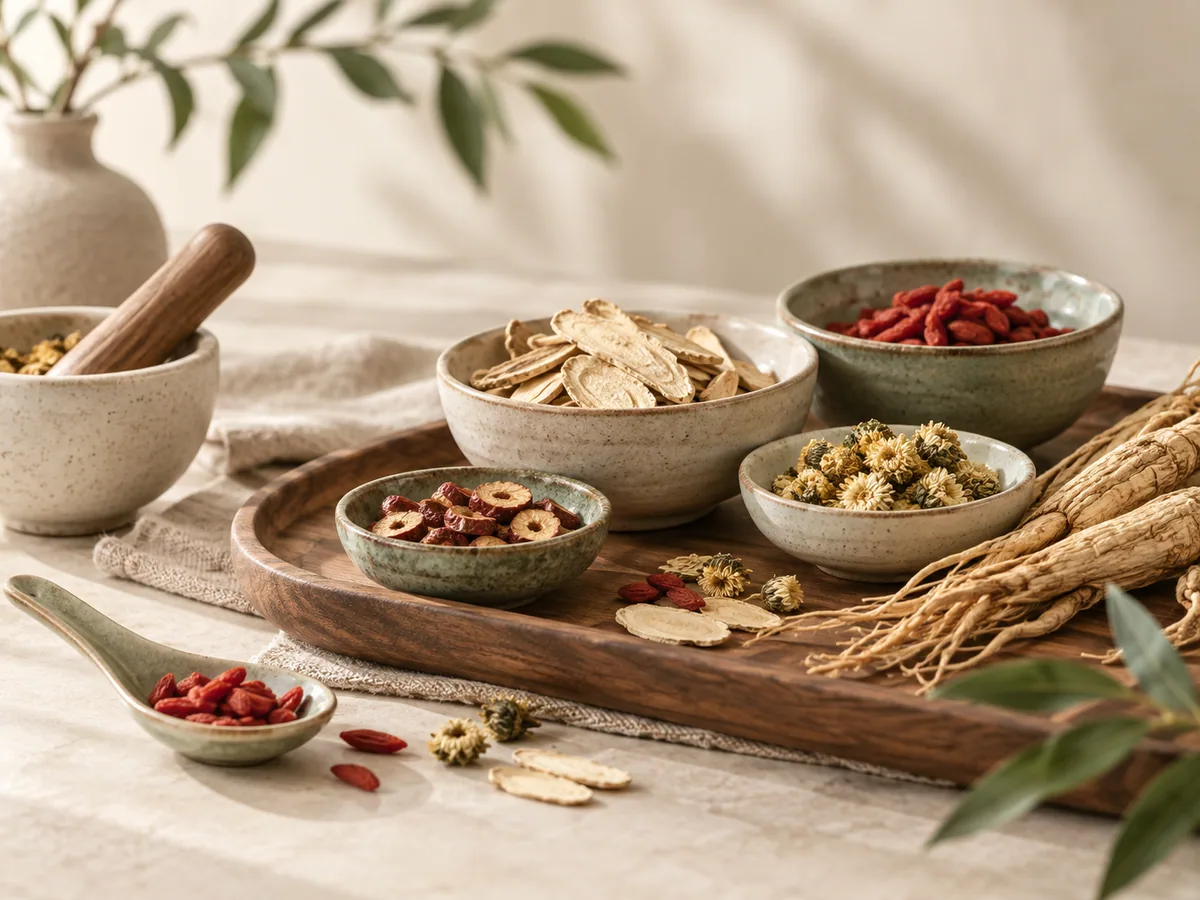
Acupuncture typically focuses on the presenting symptoms, while Chinese herbal formulas, when appropriate, are selected according to the broader TCM pattern, including sleep, digestion, fatigue, and other accompanying symptoms. Herbs are not necessary or suitable for everyone; medication, pregnancy, and cancer-treatment precautions take priority.
What to Expect at Alignment
At Alignment Acupuncture & Wellness, we tailor your acupuncture treatment to your symptoms, medical history, and individual response.
The traditional pattern may influence the choice of additional points and, when appropriate, whether Chinese herbal medicine is discussed. Not every patient needs herbs.
If we recommend a formula, we can order it through our clinic. Purchasing Chinese herbal medicine through Alignment incurs an additional charge, which varies depending on the specific formula.
Before suggesting herbs, we review your medications, relevant medical conditions, and potential interactions.
After approximately 2–4 treatments, we can begin evaluating your progress and develop a clearer understanding of what continued treatment may realistically accomplish.
Acupuncture and Chinese herbal medicine, when appropriate, often work best alongside other indicated medical care and healthy daily habits. Results vary from person to person.
When to Seek Medical Care
Get emergency care for sudden severe one-sided pelvic pain, fainting, fever, or concerning bleeding, particularly if pregnancy is possible. See a gynecologist if pain persists, bowel or urinary symptoms worsen cyclically, or trying to conceive has been difficult.
A Personalized Approach
Good care validates pain and investigates its cause at the same time.
Interested in learning whether acupuncture may be appropriate for your symptoms? Schedule a consultation with Alignment Acupuncture & Wellness.
Sources & Further Reading
Medical Disclaimer
The information provided in this article is for educational purposes only and is not intended as medical advice, diagnosis, or a substitute for professional medical care. Every patient’s condition is unique, and treatment recommendations should be based on an individualized evaluation. Always consult a qualified healthcare professional regarding your symptoms or medical concerns. Acupuncture and Chinese herbal medicine are complementary approaches and should not replace necessary medical treatment.